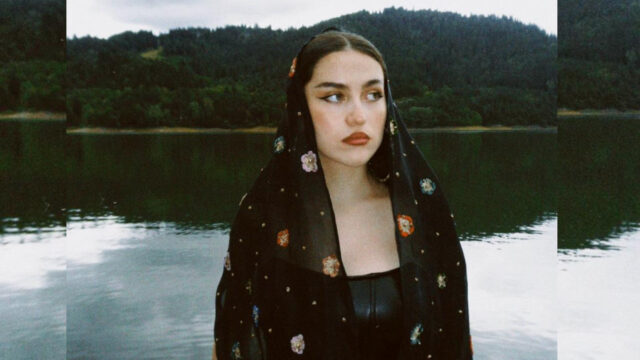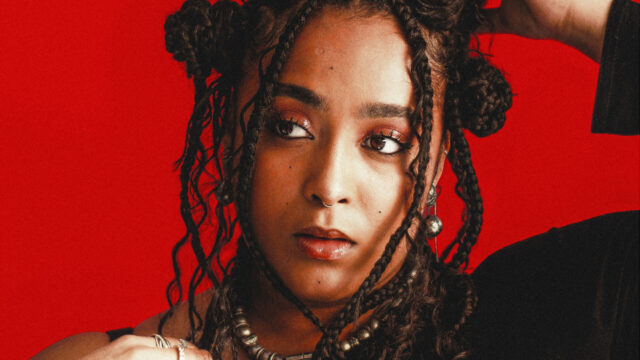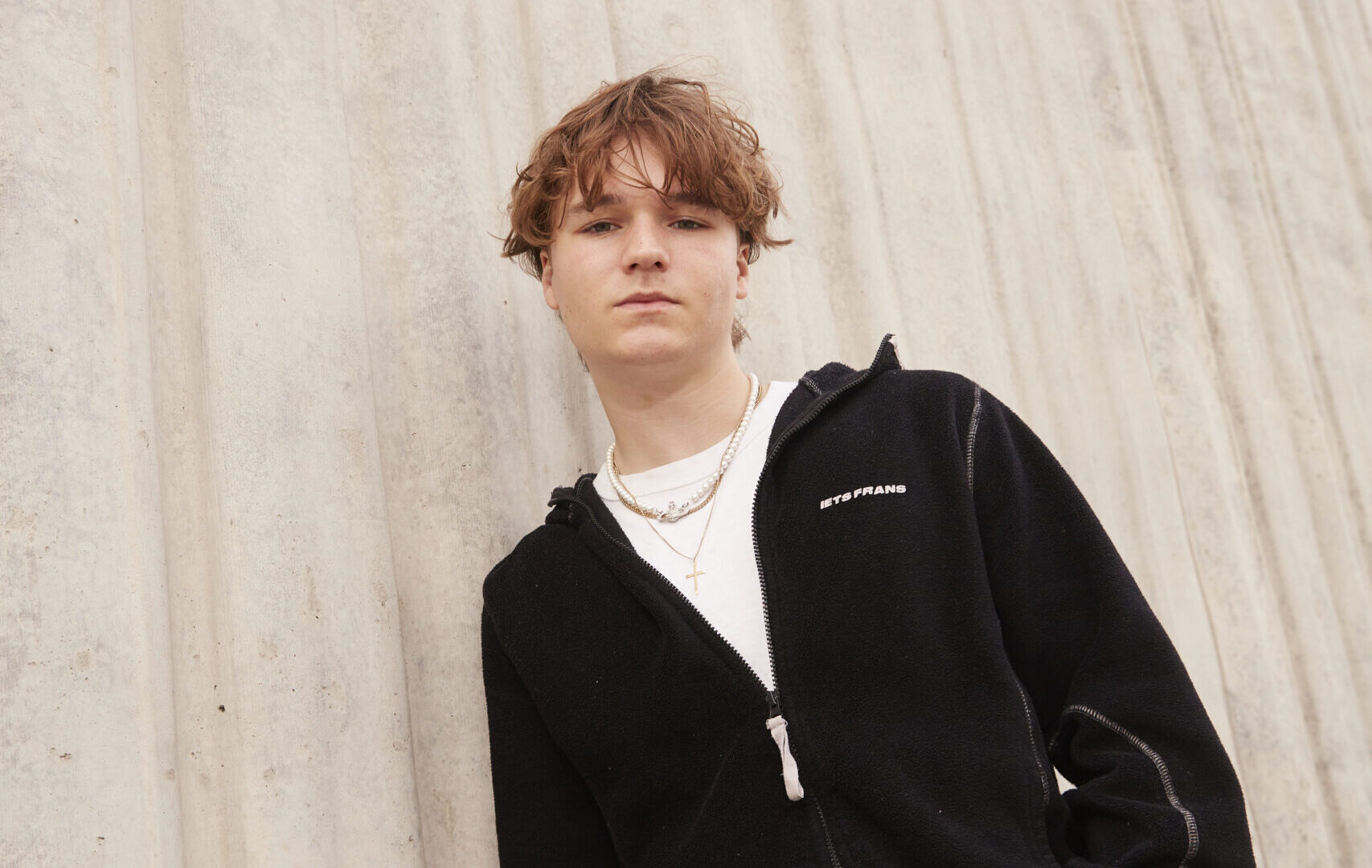
Coming up through the rigmarole of musical theatre, the rite of passage of YouTube copyrighting jump scares, and now the expansive and uplifting arms of the UD Incubator Programme, Jacob Storey has a tale to tell through the enchanting medium of dark-pop-R&B, and we’re all listening with open ears…
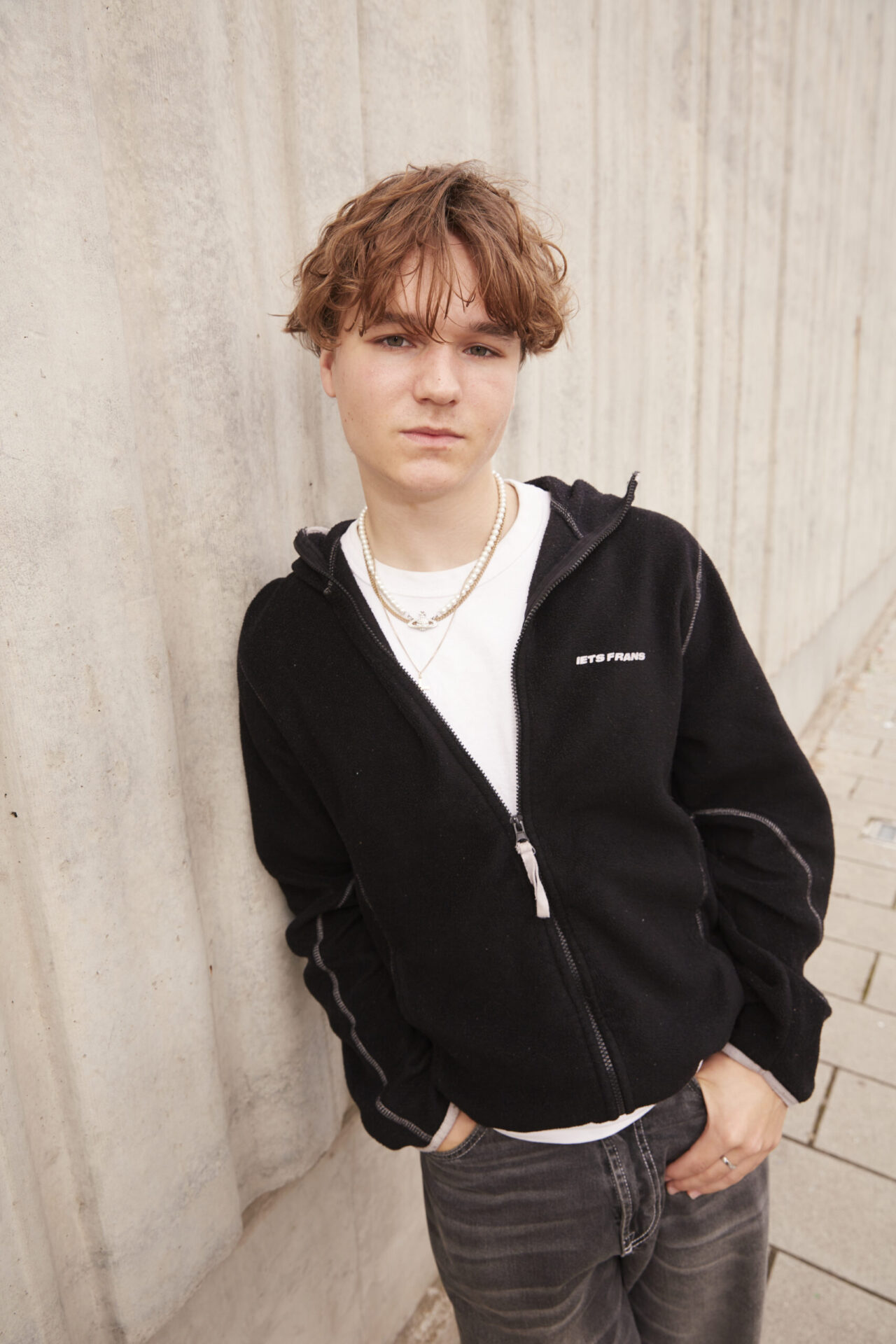
‘You’re kinda early’, reads Jacob Storey’s bio. “What do you mean by ‘early’?” I ask him. My cursory searches find a cool 2.5 million streams of 2024 single, Calling You, with nearly 70k monthly listeners on Spotify, and a healthy following on social channels.
If anything, these lofty numbers are an indicator of someone well on their way, perhaps even a tad ahead of schedule. But “early” seems to mean something different to Jacob, instead gesturing towards something that he phrases as a “conversational” bio, whilst still nodding to a fruitful career ripening ahead. There’s clearly A LOT more to come.
For someone who hasn’t heard your music yet, how would you describe your sound?
I sit within the R&B and pop space, but then again, there are so many sub genres within that. For me it’s dark R&B that leans more towards being introspective.
Do you have any core musical influences or artists who inspire you?
I think the first artist that I really leaned into was The Weeknd, and to be honest he’s kind of always been in my playlists, mainly because of his versatility. He’s always releasing different projects which still sit within his sound, but also answers whatever is popular then. Within my own artistic influences, I’ve always listened to Joji, Travis Scott, Frank Ocean… I really like artists that have quite a hands-on-approach to production, and create their sounds individually without too many collaborations. I’ve always admired that and used that in my own music as well.
Are you a producer as well as a singer songwriter?
I picked up producing to create backing tracks to my YouTube videos a long time ago. I thought if I just remade the beat, I wouldn’t get copyrighted. I still got copyrighted (laughs), but I was like 14. From there, I started writing actual songs.
What do you want people to feel when they listen to your music?
I never thought too much into what I’m trying to properly convey, but the closest word that comes to it is ‘solace’. I think my music is quite melancholic, and it romanticises that. It’s definitely where the dark R&B genre comes in, the themes I explore and the kind of brand and persona I’m trying to create and attach myself to. It definitely meets quite nicely, and that’s also been a reason for the success I’ve had so far.
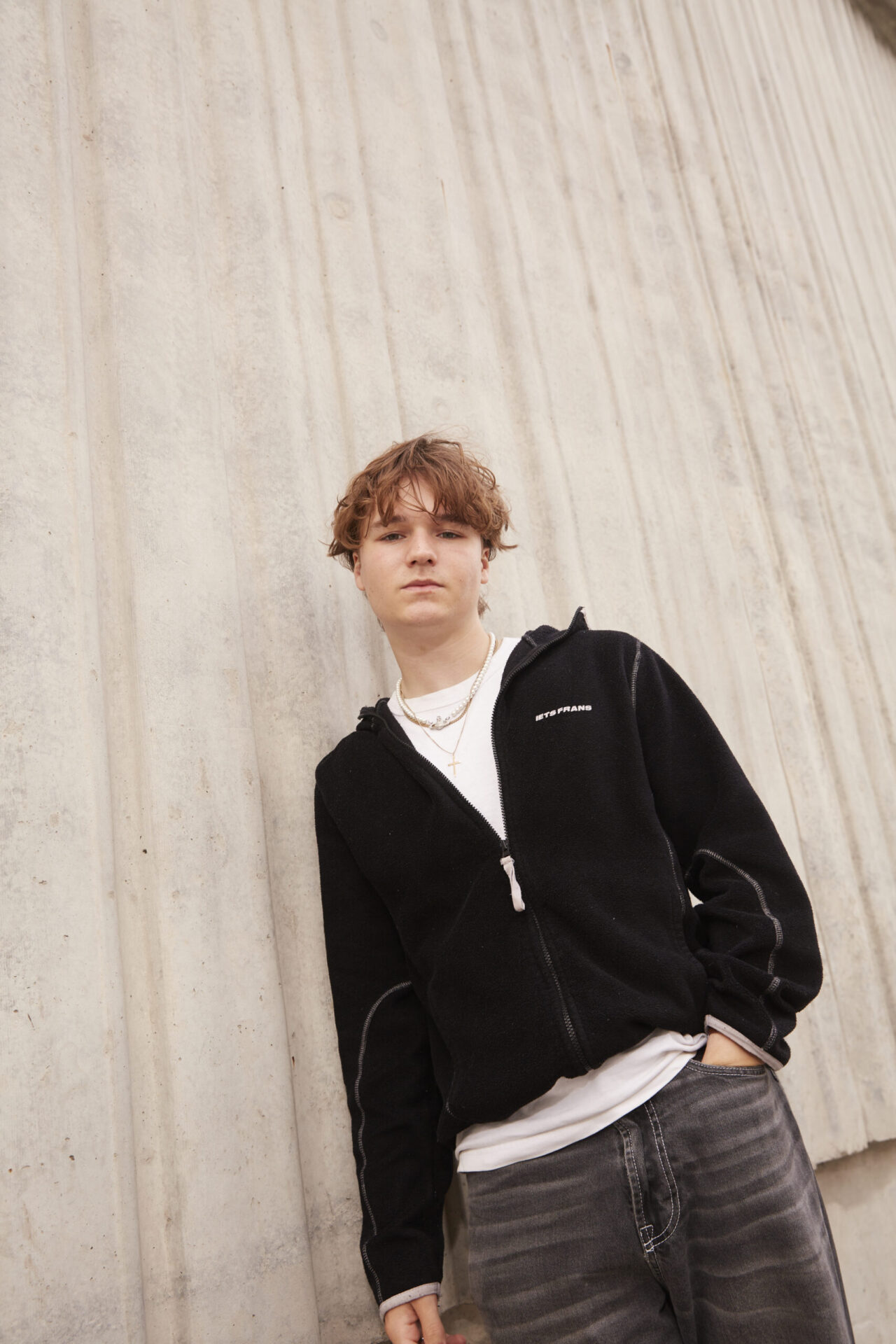
UD is all about giving artists space to grow. What does a day at UD look like for you, and how has it changed the way you approach songwriting, performance or the industry?
I went on Musicians’ Union and found a big list of all the grants that you can get, all the support you can sign up to, and I found UD through that. I saw they were offering more than just funding, and actually the focus was more on artist development. I’ve always been working with literally one or two producers, so something like that really did catch my eye.
UD consists of a lot of things. The initial (Incubator) process was an induction week – we had a lot of industry talks, which was really good, and it was nice to see they really put a focus on how it’s feasible to be an artist in today’s environment and today’s industry. We also had a lot of bonding time, I think there was less of a focus on making music for the purpose of it being released, but more us using it as a way to build community and share each other’s values and sounds and influences, which was really good. Then, going forward, everything gets a little more oriented towards your goals. They definitely put a focus on your mentality within the industry, which has been really refreshing to see, as well as offering a lot of guidance and mentoring.
The biggest part I think has been networking, it’s definitely got me to connect with more people and actually practice my hand at being in a room with more writers other than myself, and also writing on a project that’s maybe not meant to be for me, but for someone else which is also incredibly refreshing.
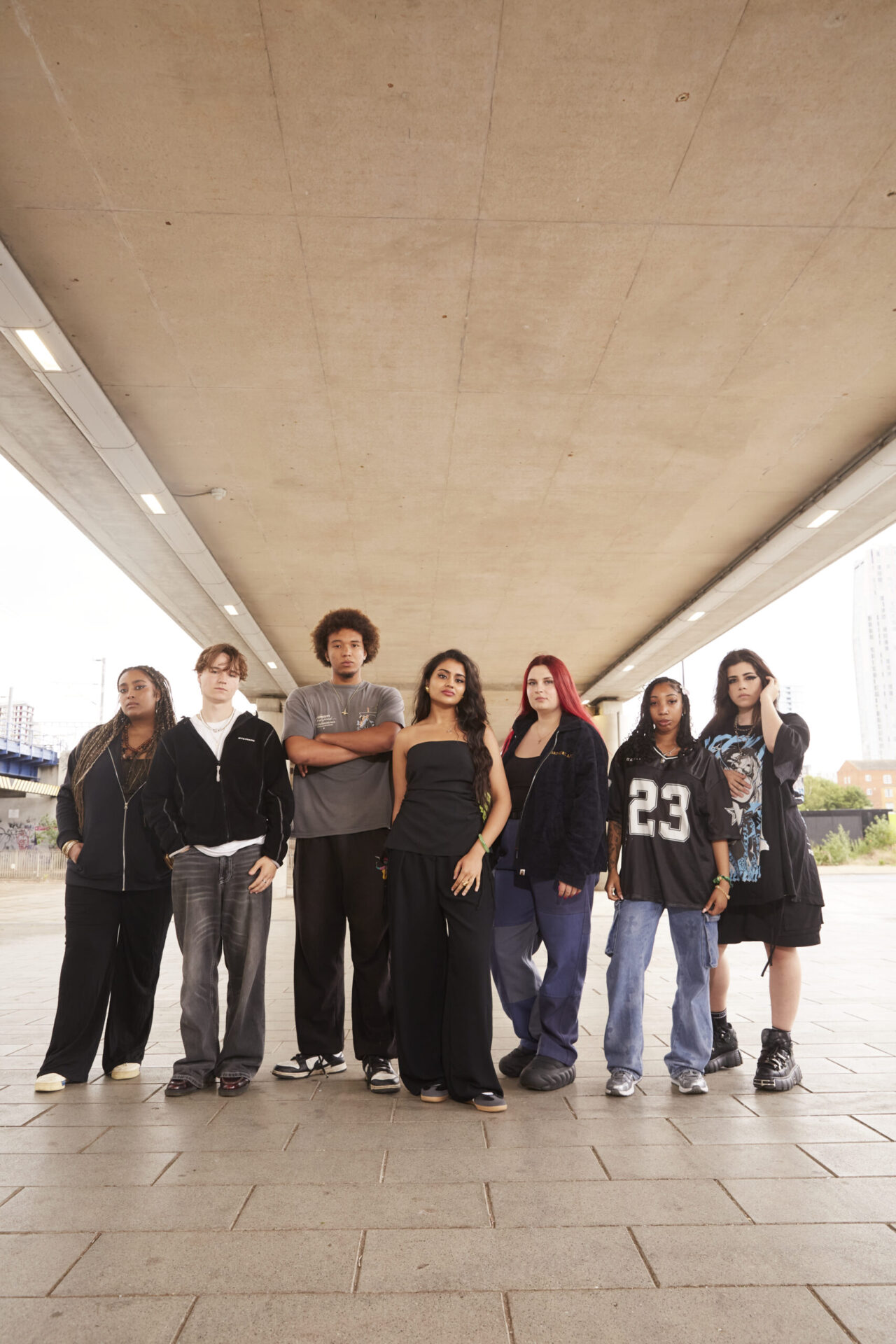
Beyond music, how has UD helped you develop personally or creatively?
When you’re running things by yourself, it can be quite isolating, and you’ve got to really keep yourself in check. That can also come with a lot of whirlwinds of self doubt, and I think the biggest part of it was surrounding myself with other creatives, but also other people that want to see you succeed. That really does benefit your confidence. It helps to lean on people, it’s important to not let that be a damage to your ego, because the best stuff that I’ve done has also been involving and relying on other people.
Your track, Calling You, has reached huge audiences on Spotify. What does it mean to you to see that kind of response, and how did the track come together?
I used to work in a music studio, and on one of the night shifts when there weren’t that many people around, I whipped up Logic, found a sample, and wrote a melody. I sent it over to my close producer friend Miles, and we went from there. I recorded it in my bedroom, and then released it independently in May 2024. It was the first track that I saw a lot more engagement with. I used to run a lot of my marketing campaigns myself through Facebook and Instagram, and it was the way that I could get to people independently, without having to rely on a third party. It got into the algorithm, which I think has been a really big player in how my music has reached so many people, and from there it just seemed to connect. It’s definitely been the track that showed me it was possible to make it in the industry as an artist, and also solidified that what I was doing was good. It worked! That’s always going to be the track that started the process of calling myself an artist.
What’s next for you in the coming months?
I’ve always been a singles artist, and I’d probably call myself a digital artist. I did a lot of stuff online to try to get people to listen to my music because I think the biggest reach you can get now, globally, is online, and I kind of deduced that the best way to do that was through singles and working towards one little project and then onto the next quite quickly. Sometimes it’s cooler to kind of establish yourself as an artist with a project, so my debut EP Soulless that I released last year was always my goal. The project really enabled me to explore my work as an artist a little deeper to connect with even more artists around the world which has been amazing to see. I’ve been really overwhelmed with the response to Heartbreaker, the standout track from the project too, that’s been really cool. Before the end of this year, you’ll definitely be hearing from me again – I’ve got at least two tracks on the way that I genuinely can’t wait to share.
I’d love to really build a community with my sound and start appearing in front of people and doing shows and arrangements, kind of adding to the world. Materialising that is definitely the next goal for me.
Follow Jacob’s journey on Instagram.
Words: Elsa Monteith