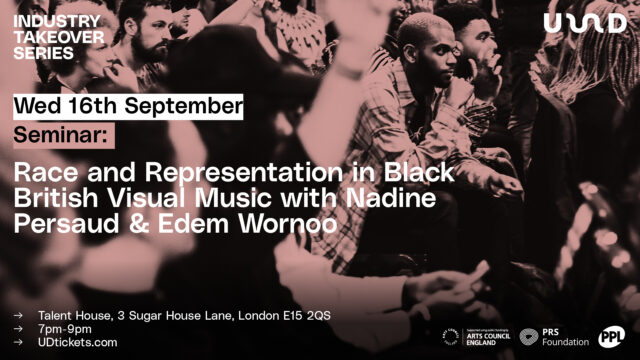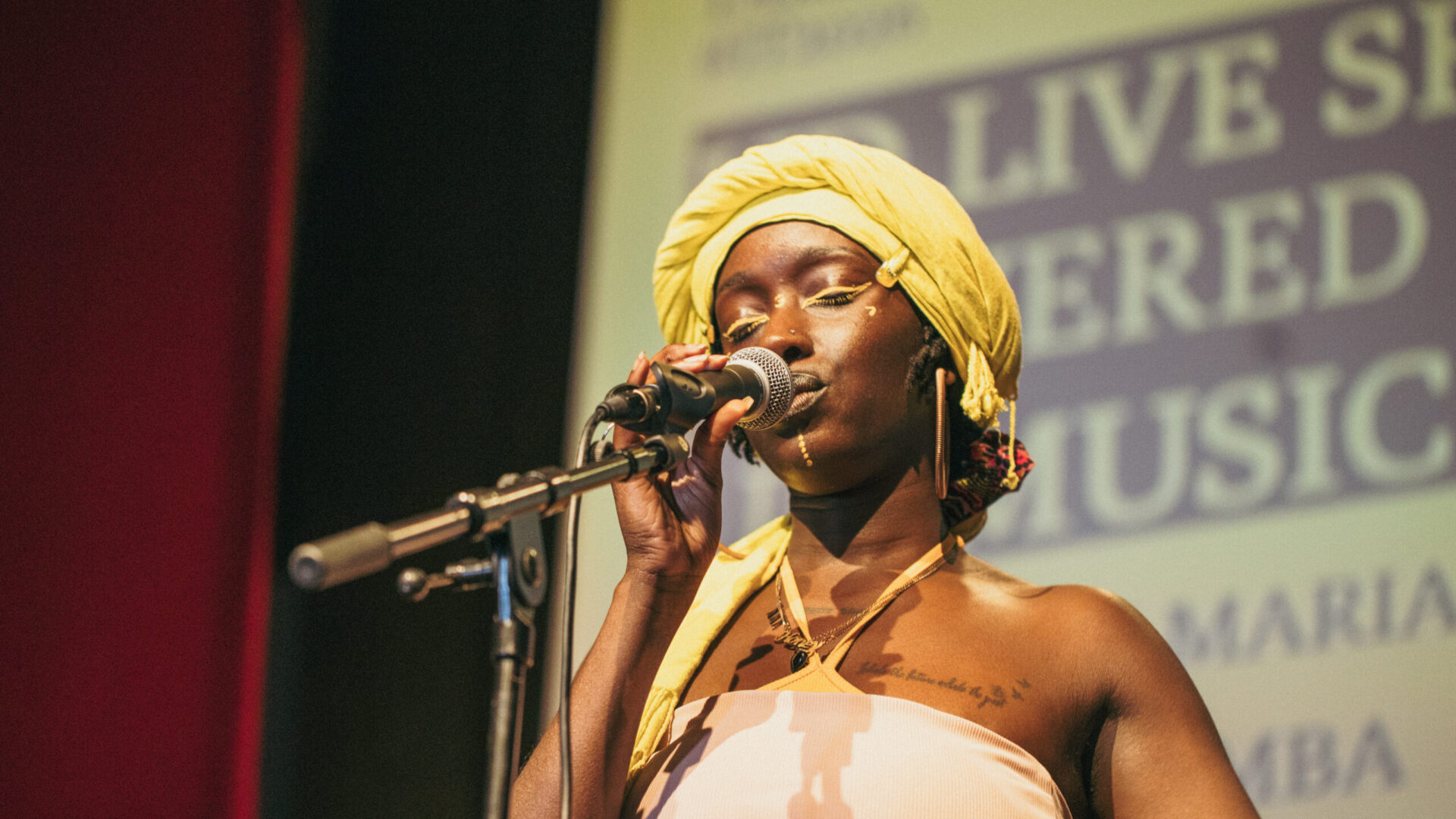
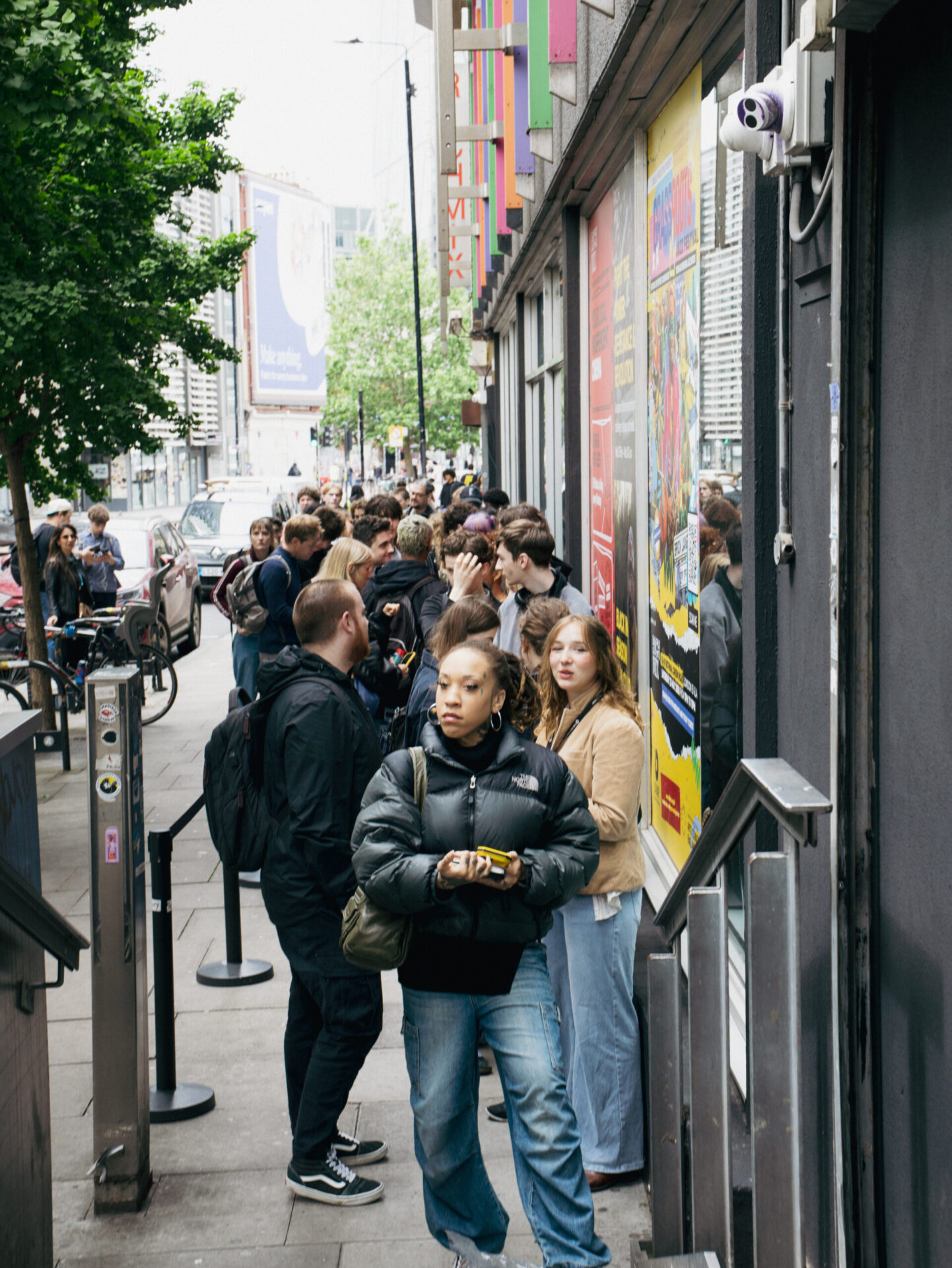
On a sun-drenched Friday in Shoreditch, hundreds of emerging and established artists, aspiring industry professionals and music lovers descended upon Rich Mix for UD’s Industry Takeover 2026: a day-long celebration of music, culture and creative exchange spanning four floors of panels, workshops, performances and conversation. At a time when music discovery feels increasingly mediated by algorithms and scattered across digital spaces, UD Music brought people back into the room, creating an open space for discovery and discussion, soundtracked by a litany of incredible artists hailing from Talent House and beyond…
Held in the lofty heights of Screen 2 to a packed audience, one of the first panels of the day posed one of the defining questions of music in 2026: who actually decides what music matters? Powered by TRENCH, the conversation was moderated by Jude Yawson, writer and creative strategist working at the intersection of culture, storytelling and media, expertly traversing the wide-reaching realms of editorial, digital creation, and what the next era of music discovery might just look like.
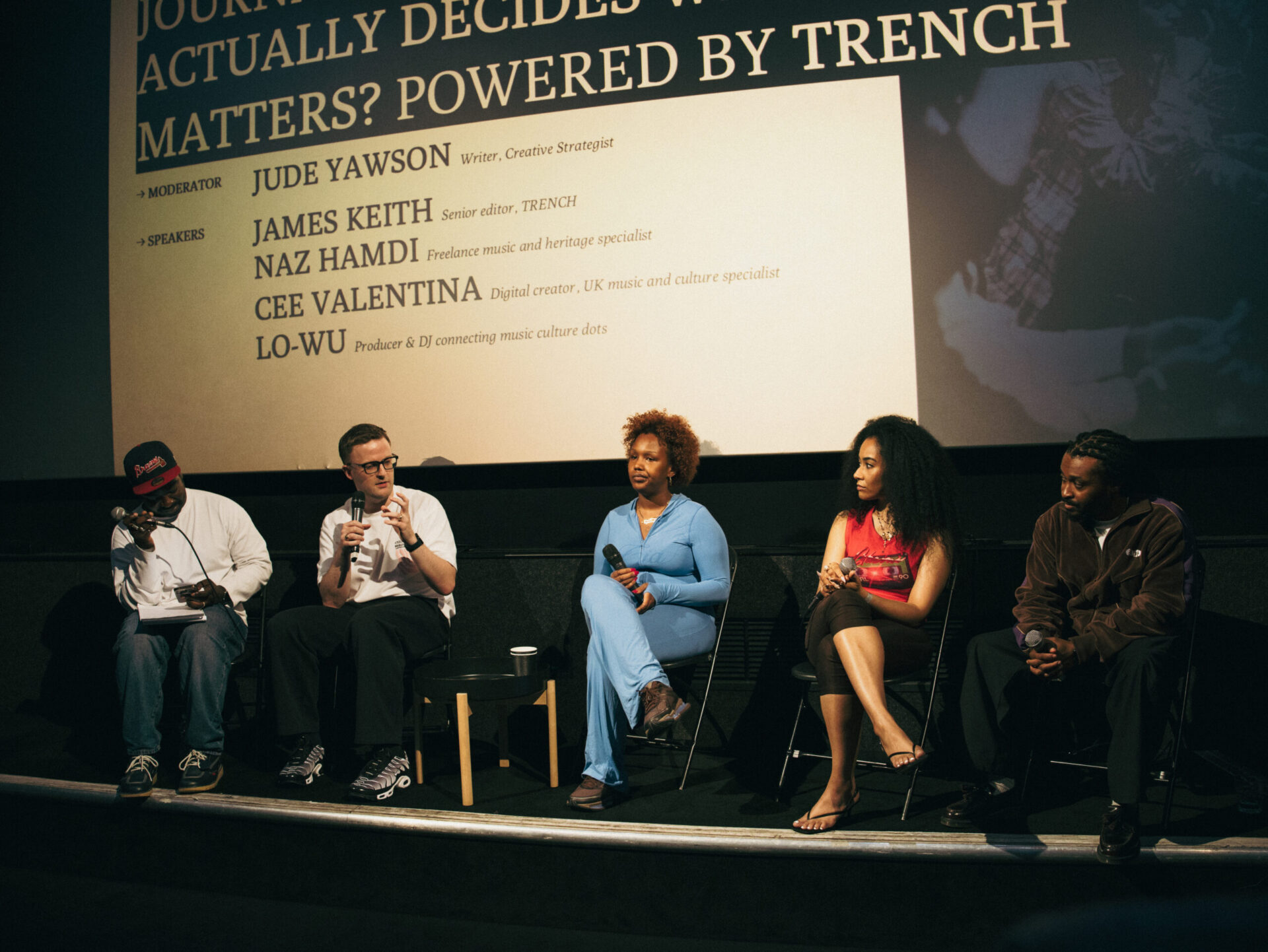
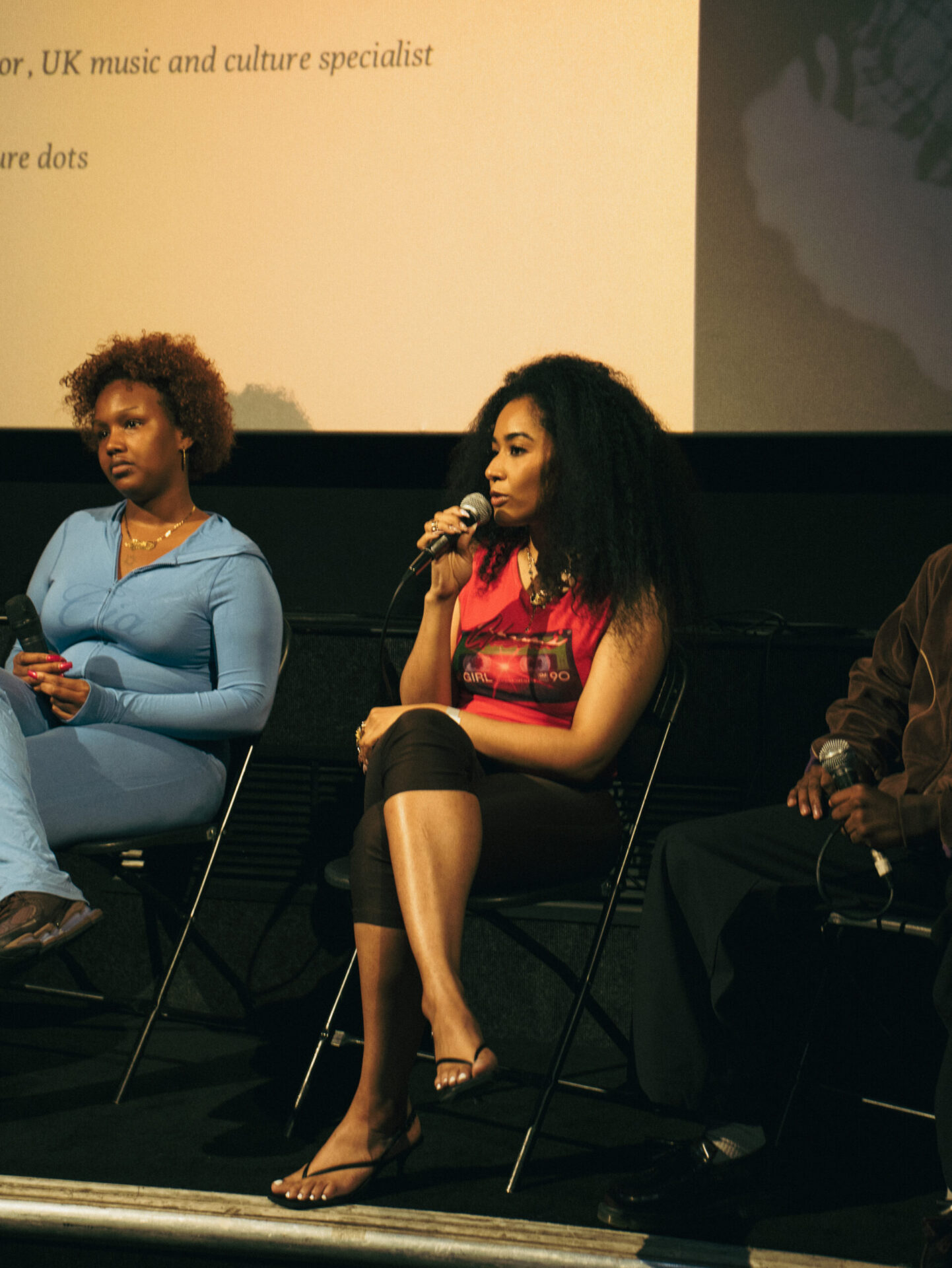
Squinting into the bright future were four speakers each well versed in their respective fields of expertise and interests, including James Keith, senior editor at TRENCH, an industry veteran with a deft hand for writing and editing effortlessly tight music journalism true to the UK scene, Naz Hamdi, thee music and heritage specialist (famously from Newham) with a keen eye for archiving niche gems and classics alike, Cee Valentina, digital creator, UK music and culture specialist, dreaming up expansive video essays exploring the questions on the tips of tongues the nation over, and Lo-Wu, producer and DJ connecting music culture dots, with his series “the lost art of the sound man” drawing crowds from far and wide to mull over questions much like these.
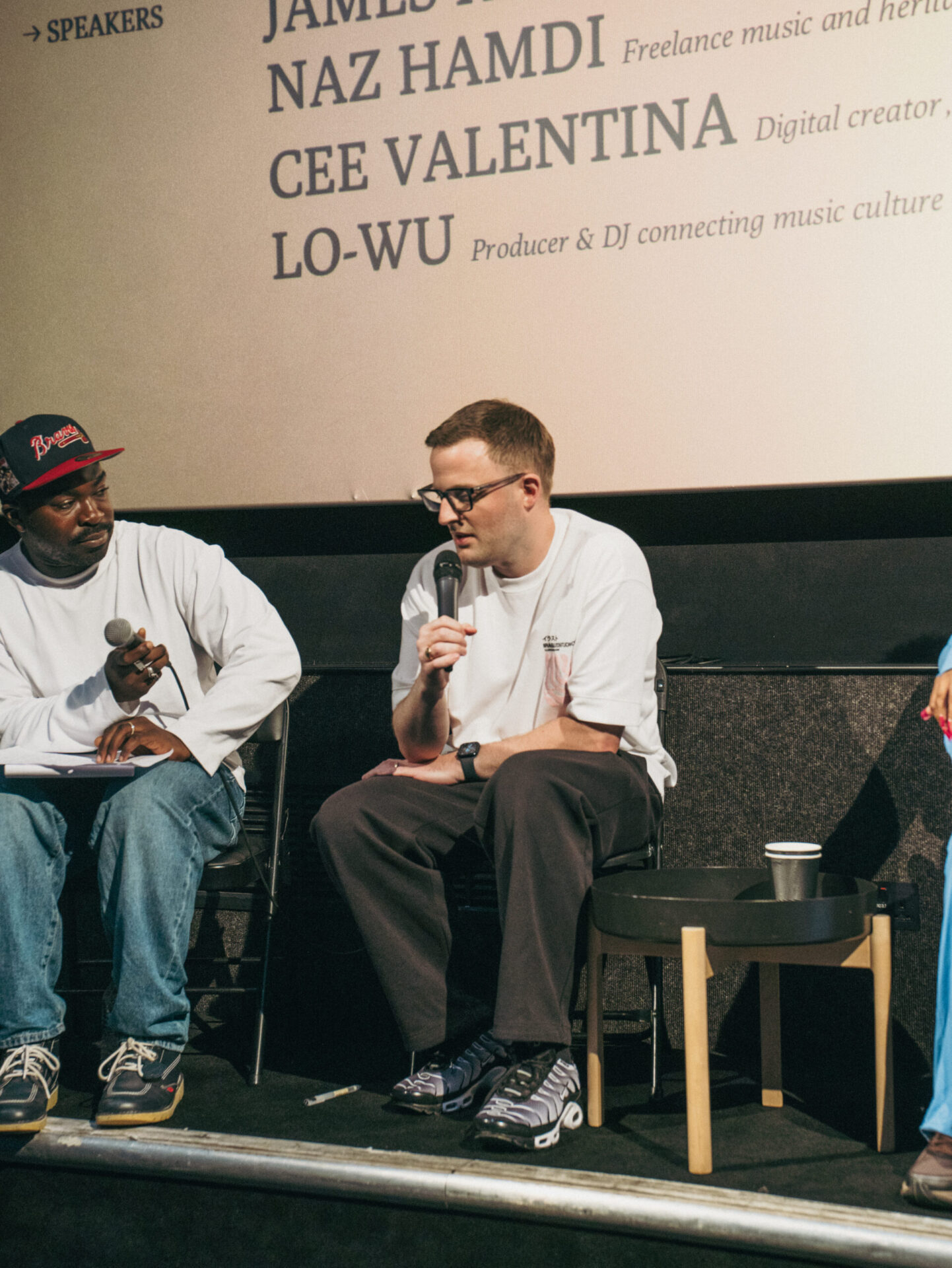
For many, the cosmic black hole of the algorithm is the decider, with us feeding our precious human interests into a deep dark chasm of big tech for better or for worse, but as Lo-Wu posited, perhaps this is an opportunity for us to “discipline the algorithm to give [us] what [we] want?”. It seems to be the eternal question, whether to “algo” or not, submitting to or combatting against some mythic music beast that holds dominion over our listening habits, spitting it back out to us in a beautifully “wrapped” annual package of data that we unwittingly welcome with delight, instead of suspicion. The fine art of discovering music when “outside” as Naz shares, is becoming increasingly lost. Regardless, the DSPs (also known as “digital streaming platforms”) that might appear to rule much of our music discovery, are running into trouble against the IRL music pioneers. “Community is still the most important way to discover music”, shares Cee, we need to continue to ask the question – “what are my friends listening to?”
Stick with me for a moment; if we, as listeners, are the congregation occupying the church of music, then let us worship at the pulpit of the chance Shazam. Walking into the offie and bending our ears to deduce the track ID is becoming a rarefied occurrence. The real tastemakers are the bossman who patiently turns the dial on the radio, and the bedroom DJ who diligently digs on Bandcamp. But as James shares – it’s about the “trusted voices” both on stage and behind the pen – the analogue algorithm, if you will. Run it up again rude boy, Shazam didn’t quite catch that.

Next on my list was an exploration into the British Asian impact on Black music, an often overlooked conversation that pulls at threads across countries and cultures, deconstructing what it means to occupy an identity that builds upon another in a complex but influential intersection. Joining a crowd in The Studio of Rich Mix was a panel of artists, writers, and industry pioneers, with the one and only Rupinder Virdee at the helm, brand and marketing strategist and talent manager with a remarkable catalogue of experience. Joining her was Rude Kid, one of grime’s most prolific producers and DJs with a star-studded discography (who later hosted a lively cypher at The Stage), Raj Kapone, a legendary music writer from the RWD Magazine era who continues to turn his hand to the hottest topics in the game, DJ Limelight, producer, DJ, talent manager and radio presenter well-known for his work at the BBC Asian Network, and A.S. Kullar, a highly talented producer and DJ rooted in ‘Panjab’ (as he says) and raised in Birmingham, changing the game one track at a time.

Powered by Complex UK, this deep dive was a nuanced and sensitive discussion about shared histories, collaborations and the exchange of sounds that have undoubtedly defined generations. As Rupinder shares in the opening minutes, the conversation isn’t really about deciding who’s influenced the culture more, and it’s not about claiming “ownership” of genres or rewriting any history, it’s more about recognising some of the most exciting moments in music that have happened when “both cultures have collided”, discussing the stories and experiences that are often left undocumented, or perhaps not celebrated in the way that they should be.

Exploring where British Asian music and Black music scenes first started overlapping, Rude Kid mentions artists like Metz N Trix who blended bhangra with UK garage during the early 2000s wave of UK Asian artists, bringing Punjabi vocals into lyrical conversation with garage production, reaching audiences across both Asian and Black British scenes. Raj adds to this, discussing how Indian music or South Asian music has always been “part of the household”.
“It’s my parents’ music”, Raj shares, “it’s something synonymous with family events, religious occasions etc., and Black music was something that was listened to by my friends”. Described as a “communal listening experience”, Raj references the like-minded people who would be DJing these family events, dropping Asian music next to Black music, creating those blends organically. Limelight leans into this, speaking to when he joined the BBC Asian Network and listened to South Asian music with a fresh ear, while Kullar went on to talk about the use of Panjabi samples and the huge influence they had on the Black music scene.
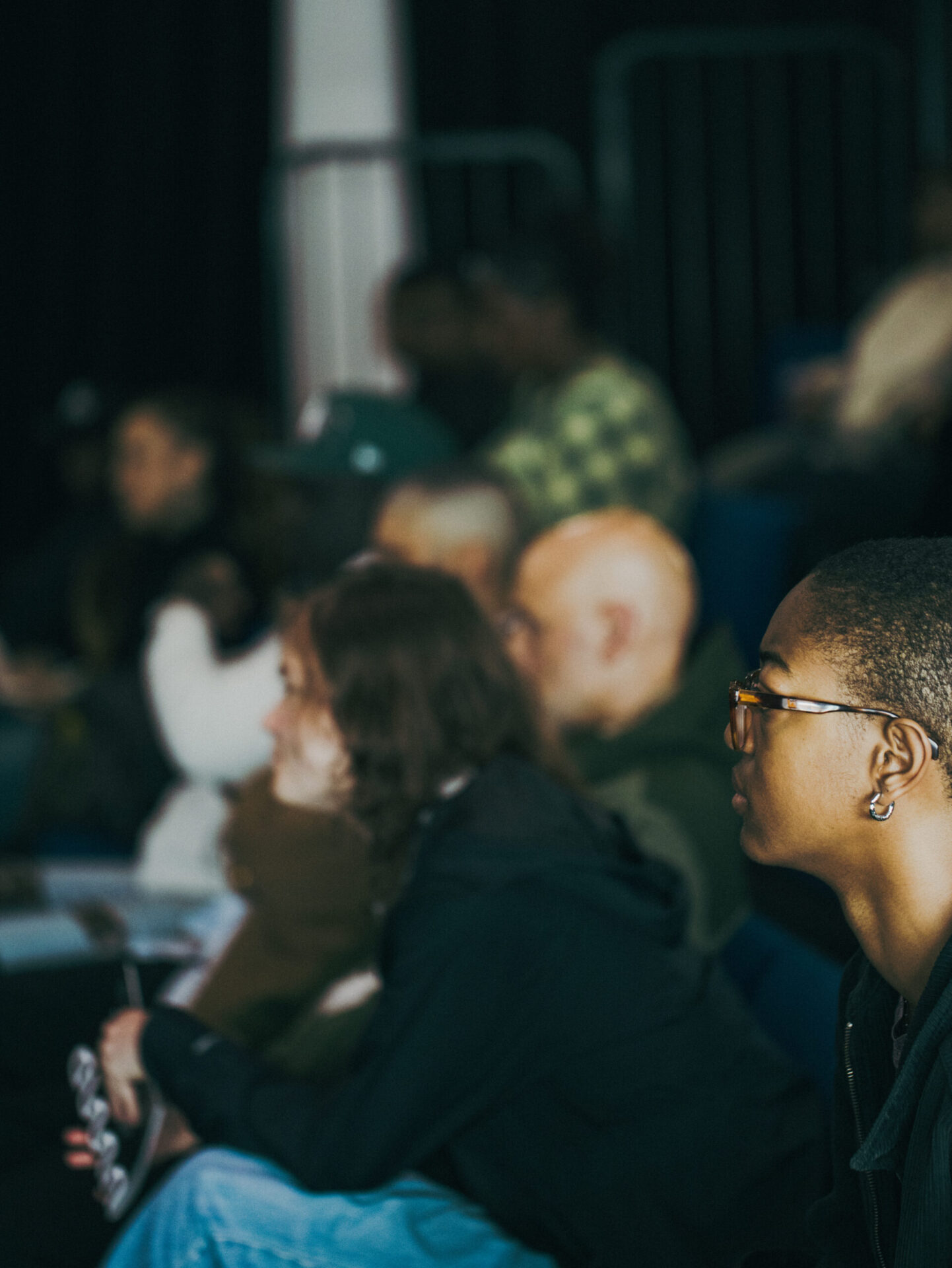
But, as the panel pondered, maybe the collaborations didn’t happen in those closed rooms filled with straight-laced record label professionals or dreamt up in the marketing team meetings – what if that partnership actually happened in the clubs in the communities where we all grew up? And with that thought firmly planted in my mind, the conversation followed us out of The Studio, and into the hive of activity buzzing outside.
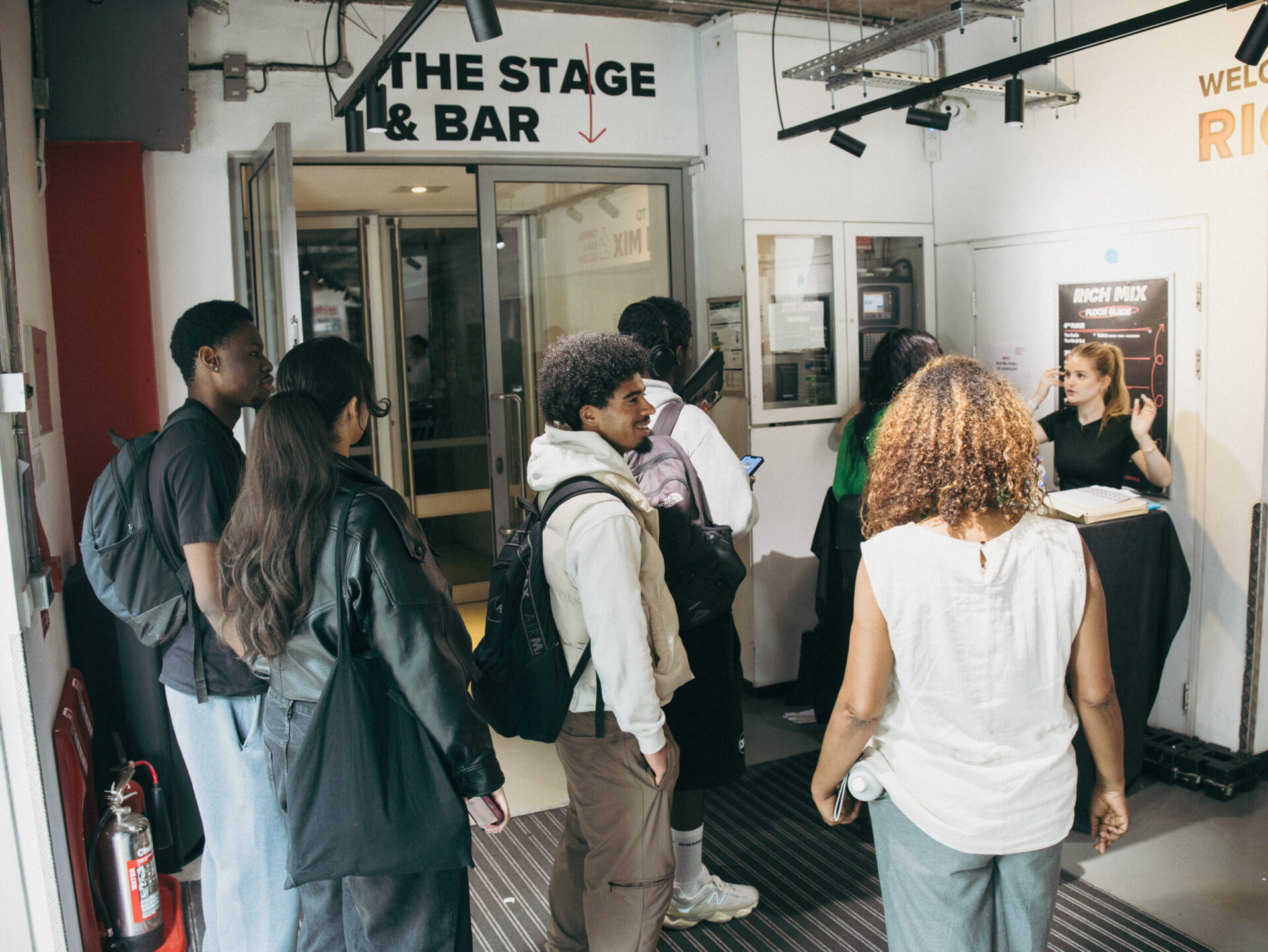
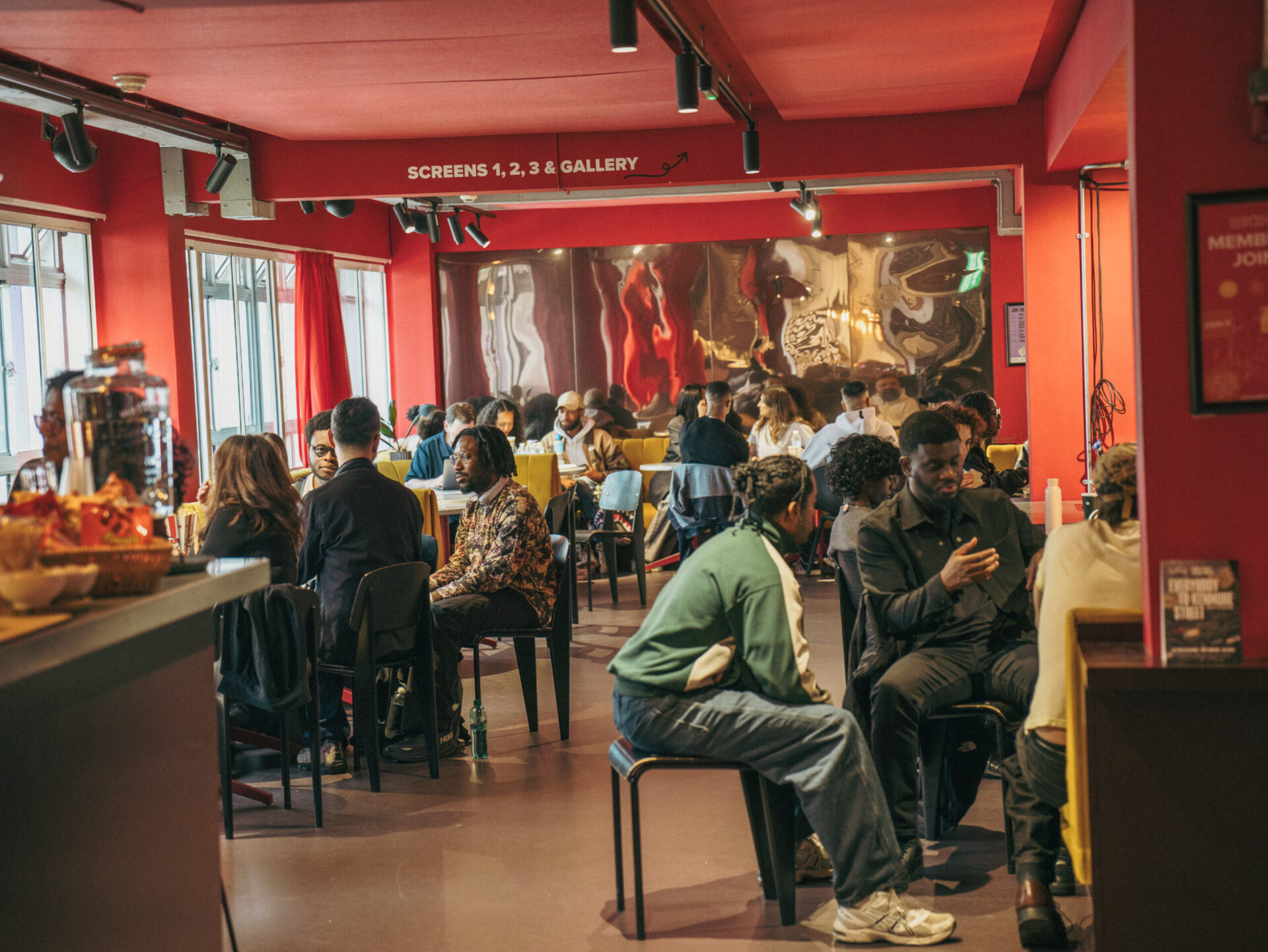
Rich Mix is a remarkable venue, an expansive warren of spaces each with their own flex and identity, filled, on this occasion, with a “rich mix” (if you will) of music lovers, makers, and observers. Reflecting on the conversations held upstairs, I descended to The Stage, where the yellow square man himself was stationed. Elijah is preceded by the colour he rose from, recognisable by his distinct digital presence, and his increasingly IRL interaction with audiences and collaborators across the globe. He’s a man of opinion and question, and for this hour, a man of pensive, reflective, and measured “deep feedback loops”.
This was a keynote session of the takeover, beginning with a whistle-stop tour through Elijah’s approach to music, (or perhaps more broadly, creativity), followed by an interactive period of questions. Elijah’s breadth of work spans eras, genres, and avenues, known for co-founding the influential grime and UK club music label Butterz, in tandem with an illustrious career in journalism, DJing, and more recently, writing his thoughts down on digital yellow squares. “When Instagram stopped the squares, so did I”, Elijah shares, but rather than closing the book entirely, he instead shape-shifted the innocuous yellow squares into other forms of knowledge exchange. “I think this is still evergreen”, Elijah says, gesturing towards the lengthy archive of the yellow squares on the screen. Statements like “Social media is a canvas, not an advertising board”, and “Rent is the creative director” reimagine the digital shopfront most of us sit behind, acting as merchants selling our wares instead of utilising the tools that could offer a creative alternative to the daily rigmarole of work we often find ourselves in. Much of this evergreen material lives on in the book he published, and gains new legs in talks held in rooms like these where the audience becomes as much a part of the talk as Elijah does.

“I think most people do this instinctively without naming it”, shares Elijah, “and most good work has some sort of conversation with an audience”. The “deep feedback loops” in this sense are described by Elijah as ideas that live in the world that create new ideas that feed back and forth – “it’s kind of a remix ability”, he shares, describing the “high effort” comment review or “artistic” responses that provide legitimately meaningful engagement. Deep feedback exists as something beyond the vanity metrics of engagement data. The “one million impressions” on a transient Instagram post three years ago lost in the infinite scroll might not quite have the same steadfast legacy that we might have once hoped. Much of this deep feedback is found in real life. Or, as Naz asserted at the beginning of the day, finding music and following your creativity is often discovered “just by going outside”.
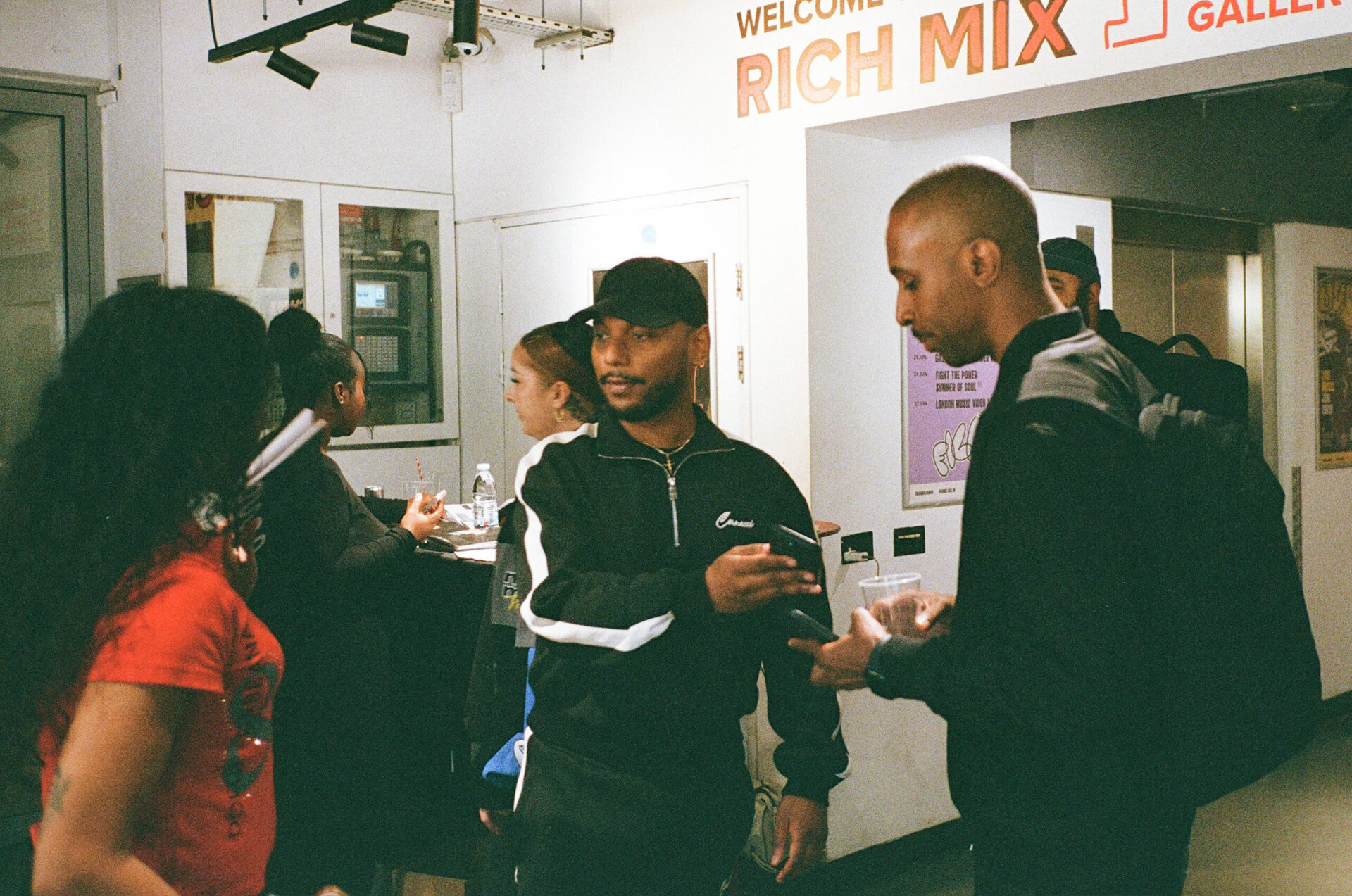
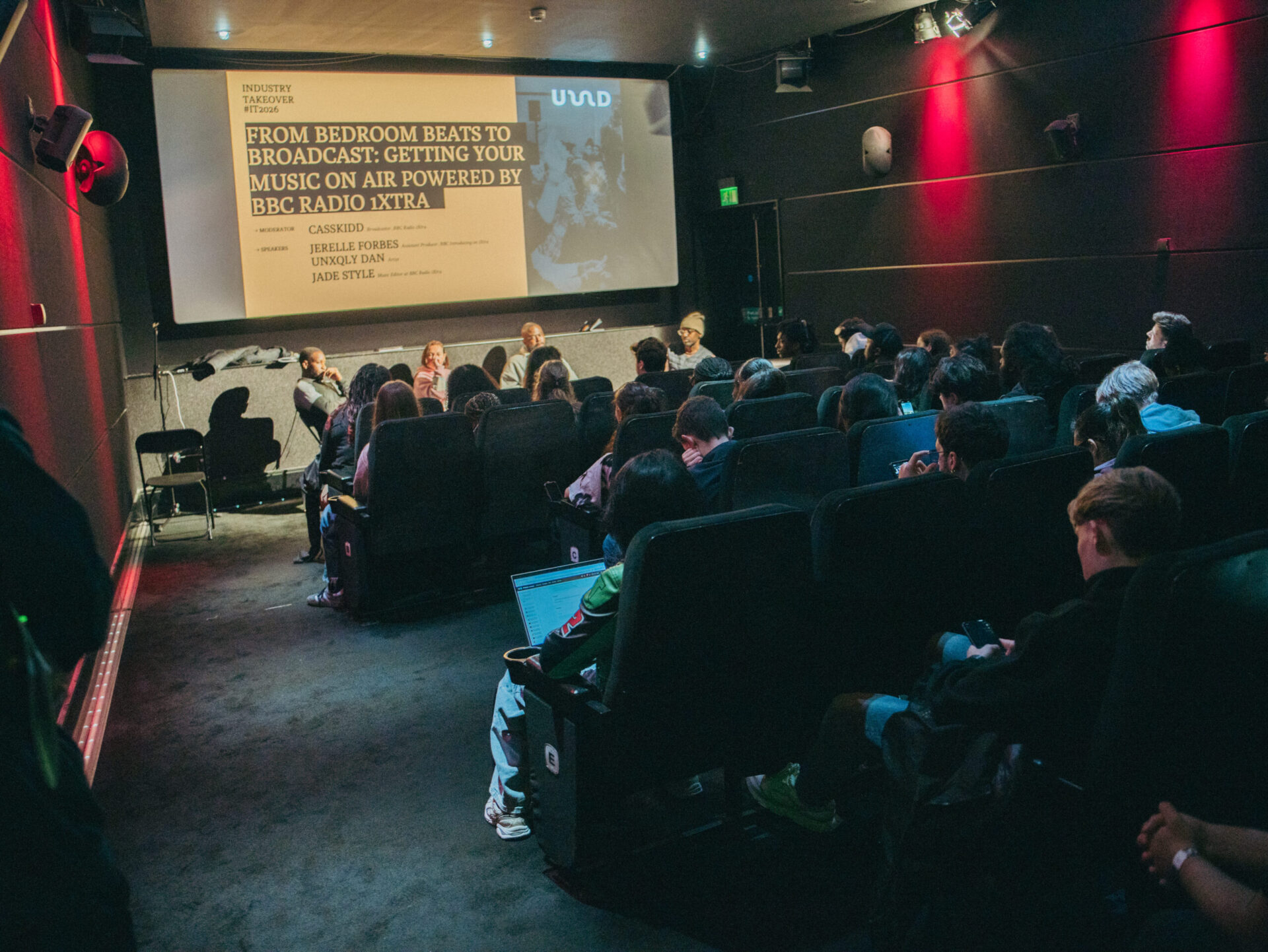
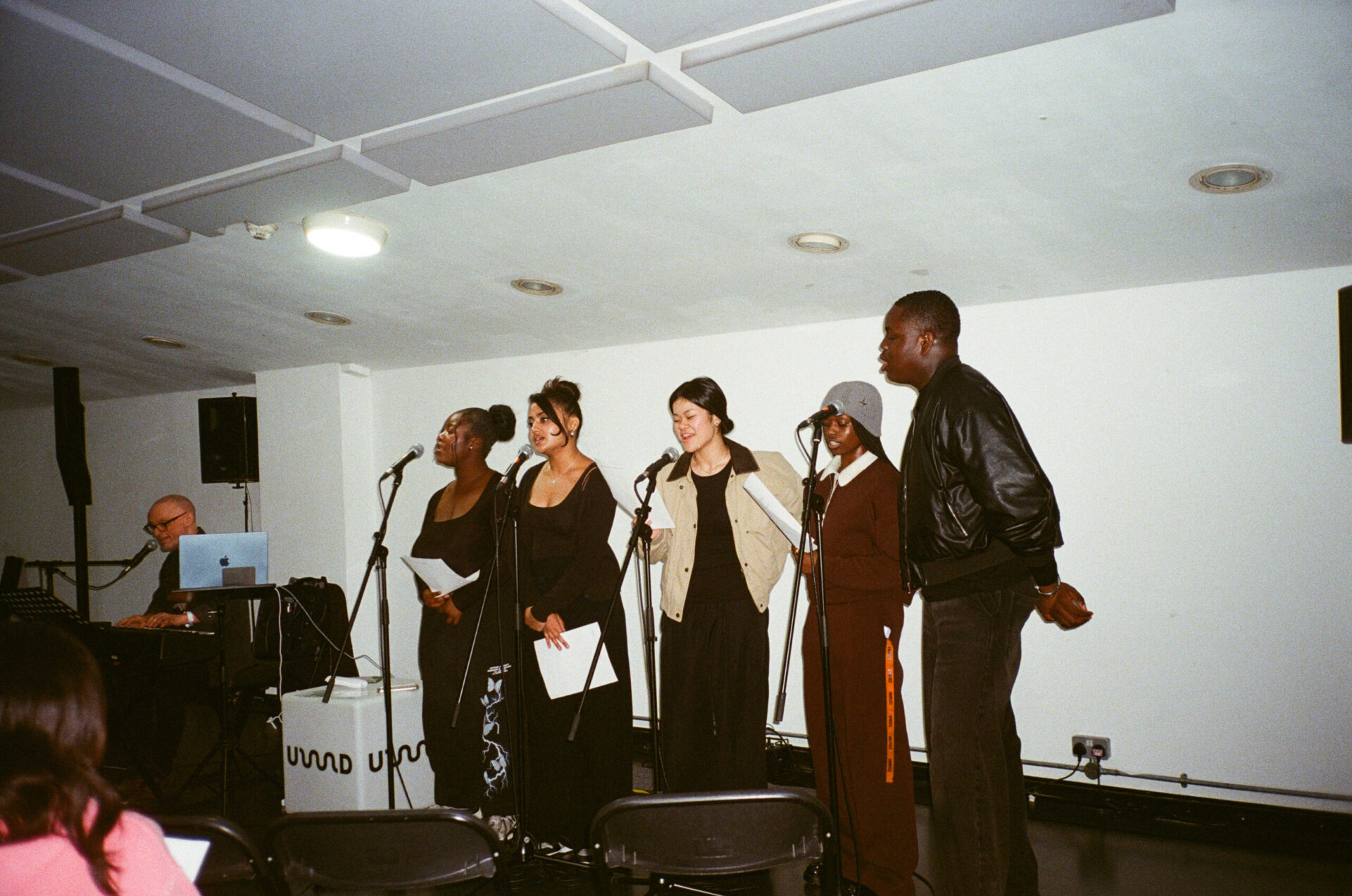
With music and chatter filtering through corridors and stairwells, Rich Mix was a hive of activity throughout the day, with a huge number of workshops, exclusive industry professional one-to-ones, and live music held across all four floors. UD is no stranger to a stacked roster, and the taster vocal workshop with the inimitable Andy Gilbert and Flames Collective was no exception.
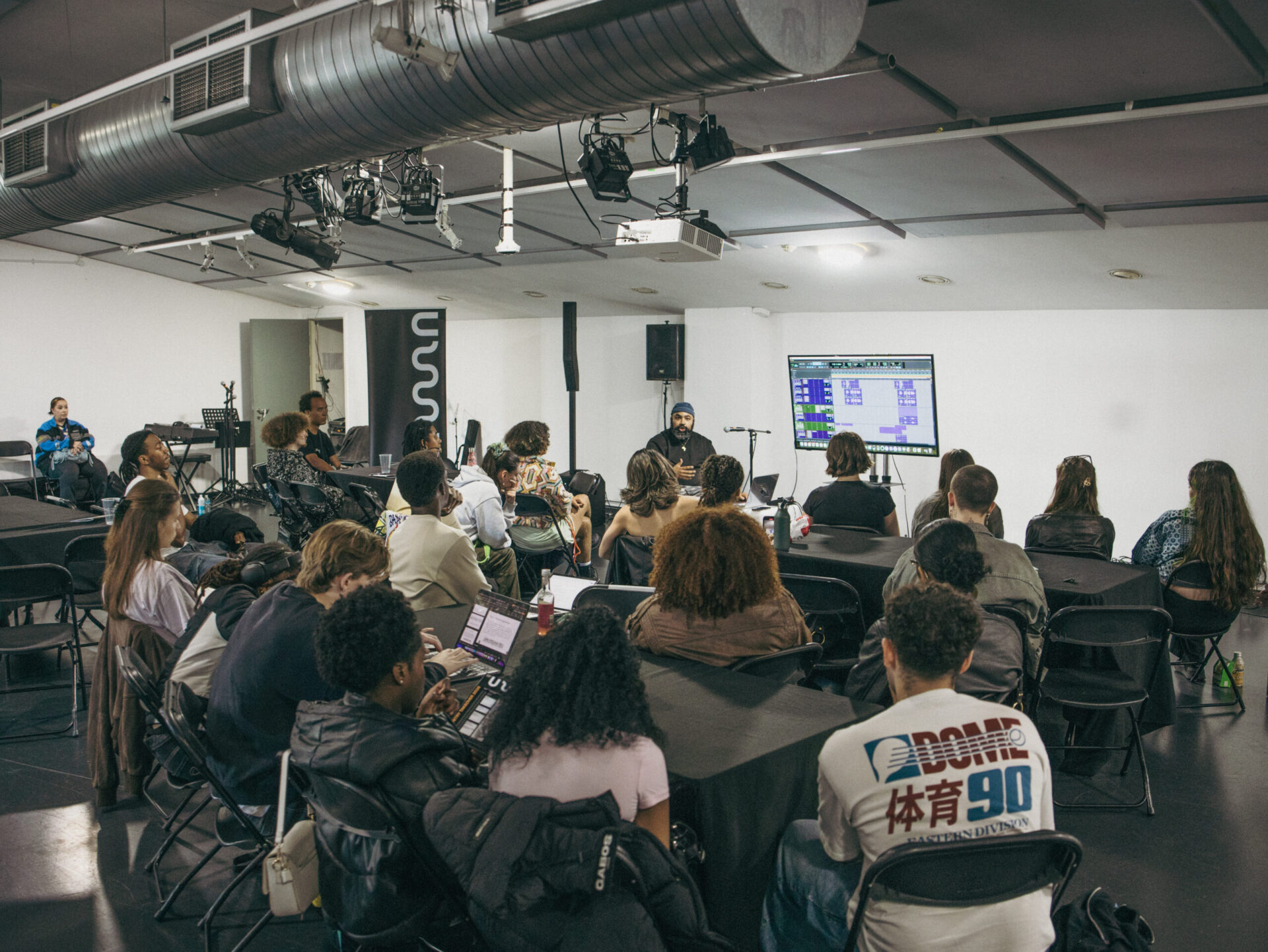
The legendary photographer Simon Wheatley also held a thought-provoking workshop exploring the importance of trust, proximity, vulnerability and storytelling in photography, as well as a session with multi-disciplinary artist Cat Couture, who provided a vital insight into how we can create original content concepts. Held in The Mix, Chris Layton also touched down with an introduction to mixing vocals to break down the essentials for those emerging in production, and David Sonubi, co-founder of the one and only RECESS, shared his invaluable experience on how to build a seriously successful event.
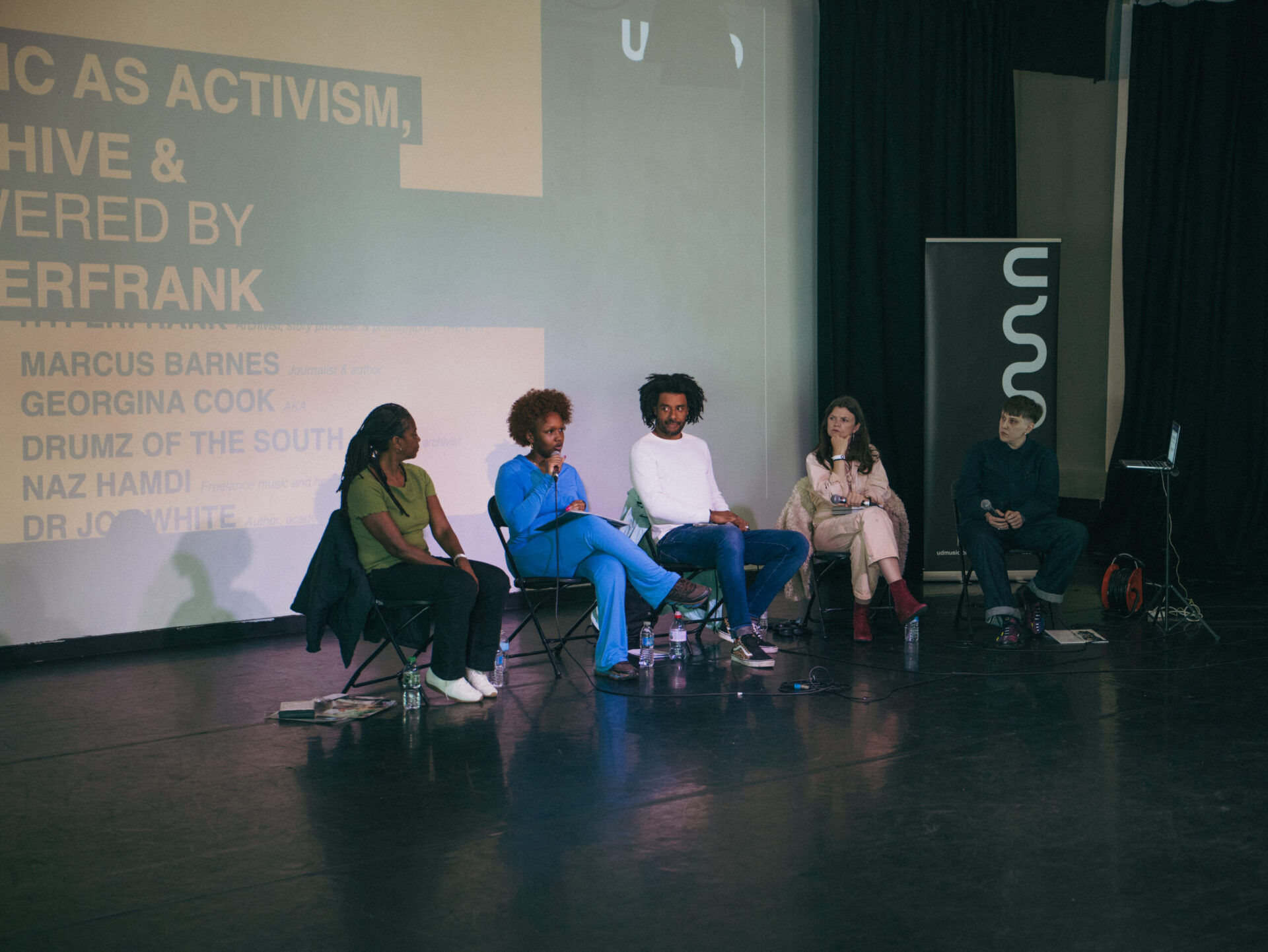
On the tail of Elijah’s session, I ascended back up to The Studio for an afternoon panel powered by Hyperfrank, exploring music as activism, archive and legacy. Hyperfrank really is a legacy in and of themselves – archivist, story producer, photographer, and co-founder of TRENCH with one of their infamous snaps featured in the V&A East’s THE MUSIC IS BLACK exhibition, this was the perfectly placed panel to capture the collateral of music and memory. Hyperfrank was joined by Marcus Barnes, London-based music journalist, author, DJ, and festival obsessive whose books “Around the World in 80 Raves” and “Around the World in 80 Record Shops” drop unmissable location saves the globe over. Georgina Cook (AKA Drumz of the South), is a photographer, archivist and author of the incredible book “Drumz of the South: The Dubstep Years (2004-2007)”, the first photography book to present the early days of dubstep in deliciously dub-stepping detail. Naz Hamdi, music and heritage specialist, whose appearance on the first panel of my day stood her in good stead for another stellar hour of intellect and insight, and Dr Joy White, Lecturer in Applied Social Studies, and author of a number of fascinating titles including “Like Lockdown Never Happened”, a text that explores sonic Black geographies across the 2020 pandemic, and “Terraformed”, an insider ethnography of Forest Gate, East London. It was quite the line up. And boy did they deliver.
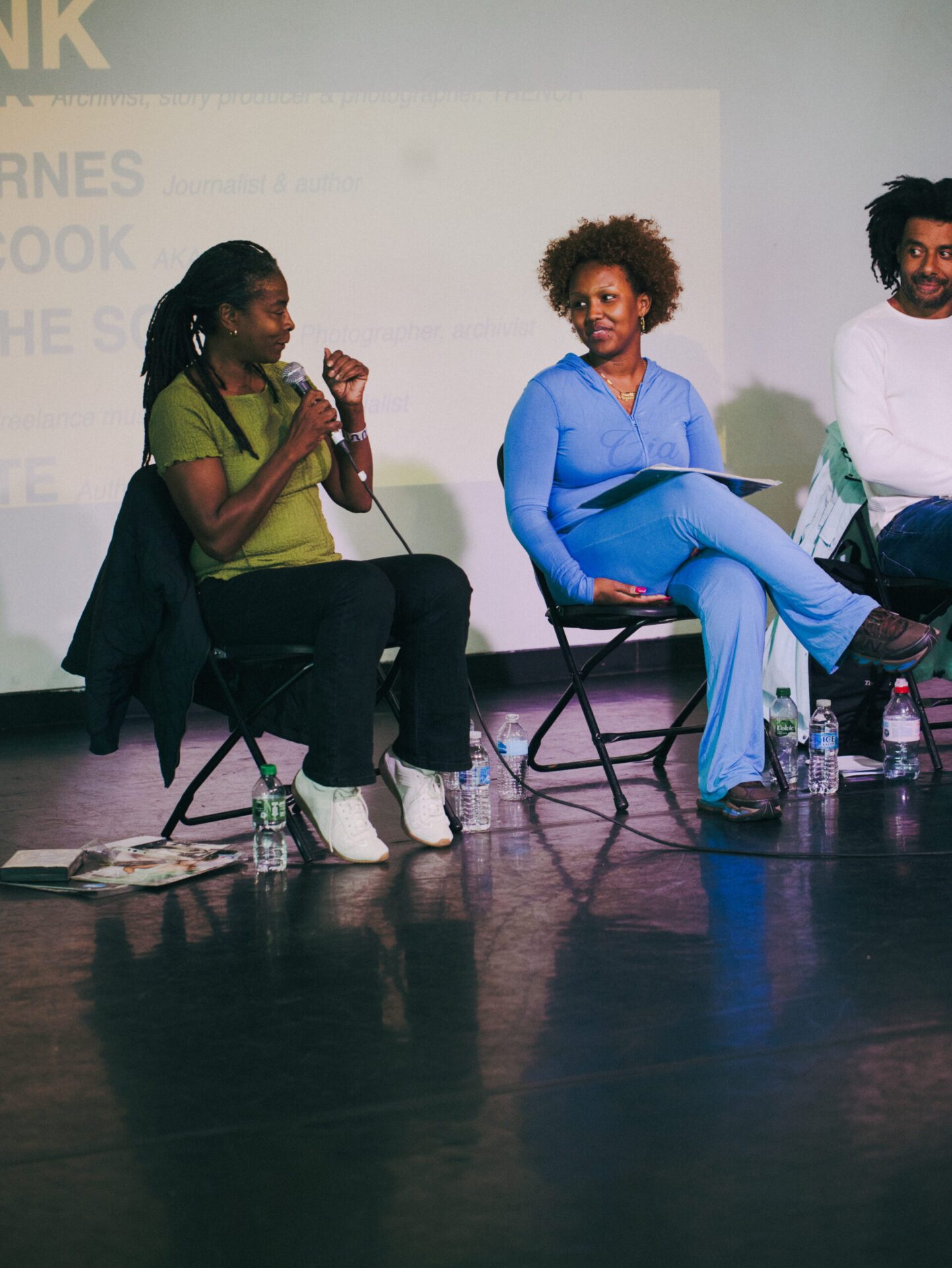
“I wanted to talk about music as archive and how it can be used alongside physical media as a means of actually preserving history”, shares Hyperfrank. It’s a prompt that devolves into a nuanced discussion about DIY mediums and physical media, and how people’s stories can be “actually told and heard without the kind of mainstream narratives that are often enforced”. Naz introduces the concept of “custodians” of Black British music, digging into an incorrect, but commonplace, assumption that we are the “first” to do this. “I use my archive to tell the stories that have already been told”, says Naz, gesturing towards an enduring question: is it possible to have an original thought? “It’s important to document, it’s important to log, it’s important to recognise what came before”, continues Dr Joy, explaining how a lot of our history still remains unarchived, locked in oral history and forgotten anecdote. “It’s also important to have those conversations… to share those memories, as well”.
If I’m being completely candid, the show-and-tell portion of this panel took me back to school in the best way possible. Let’s just say that necks were strained in the audience trying to peep Dr Joy’s 2009 Grime Calendar, a noughties artifact as iconic as it sounds. Marcus shared a story of over-writing his mum’s tapes to record pirate radio shows from the 1990s, 2000s and 2010s, with his physical collection reaching over three hundred analogue plastic tapes. In the interest of preservation, he painstakingly digitised his expansive collection and uploaded them to SoundCloud for public consumption. Marcus is doing God’s work for real.
Georgina shared the first and second editions of her book “Drumz of the South”, an incredible testament to an era of dubstep that Georgina emerged from as a now revered and highly respected photographer and documentarian. “Hard drives are the most unreliable method of storage”, shares Georgina, “I had to get them into a book so that there’s a physical object which will hopefully be around for a long time”. Distributing prints and archives to schools, libraries, and institutions that hold history physically is the ultimate way of creating a lasting legacy. We really do have to look back to look forward.
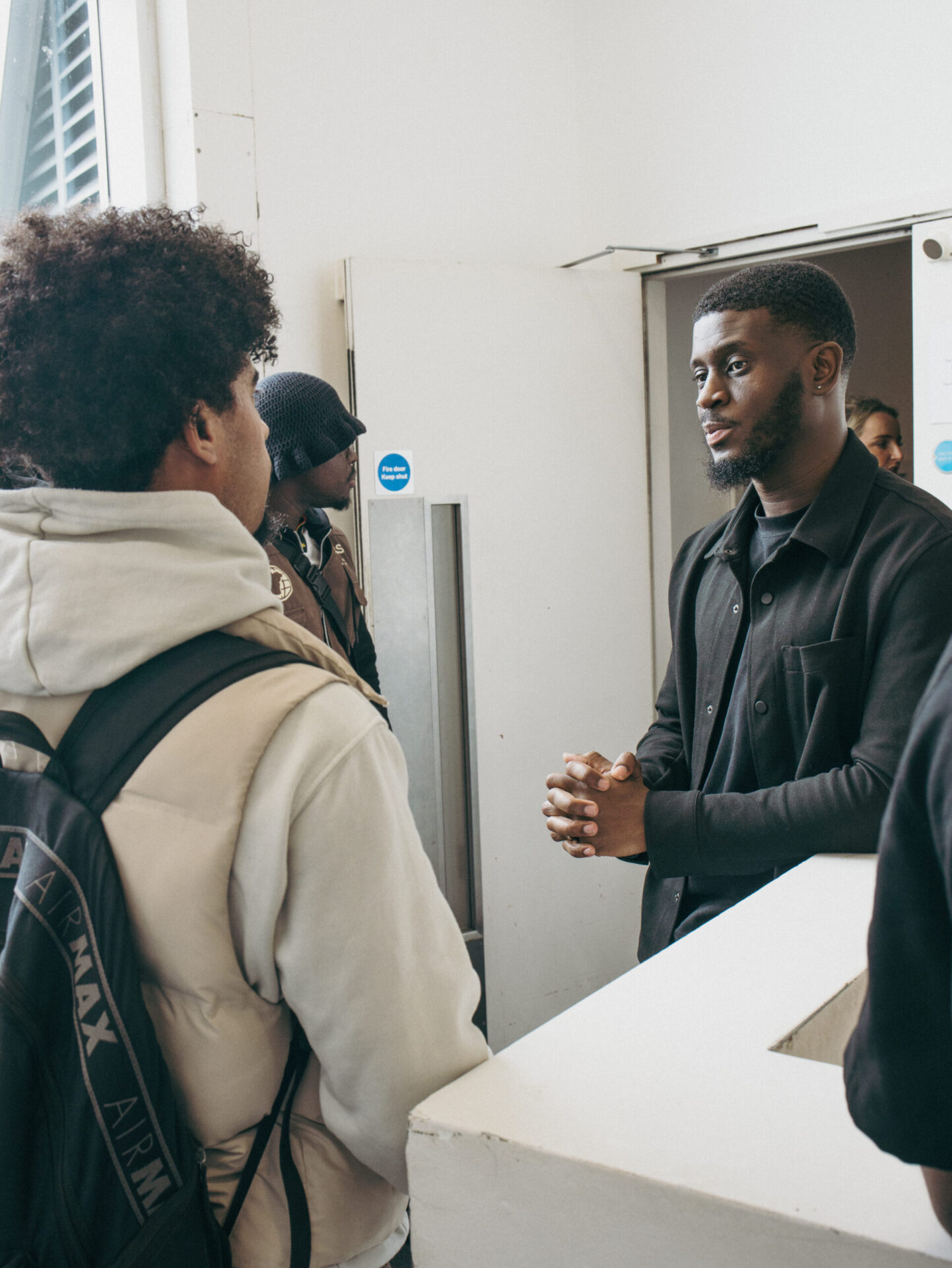
My closing panel did just that, with the Basslines and Bloodlines talk powered by Risky Roadz bringing an intergenerational perspective to the future of music and enterprise, whilst celebrating the grime octogenarian found on phone screens the world over. Even Kim Kardashian has had her 5 minutes of fame in Grime Gran’s prestigious company. Hosted by Ellie Prohan, DJ, presenter, and radio host for Kiss FM, the panel brought Roony “Risky Roadz” Keefe in conversation with the matriarch Grime Gran, Beau the Beard, and Nancy, Beau and Roony’s mum. Discussing everything from grassroots hustle to generational impact, the talk really captured what it means to be in a family of living legends.
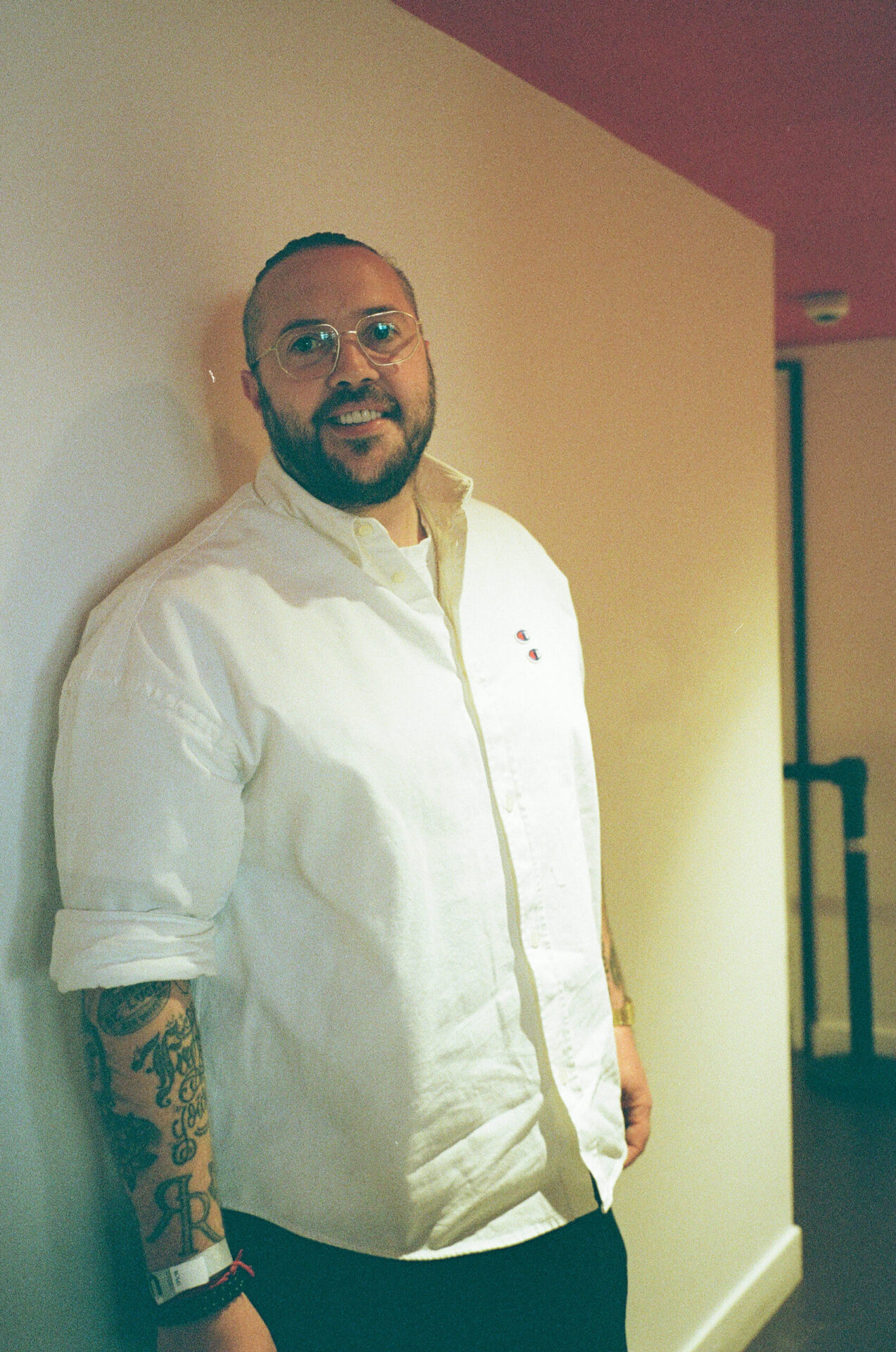
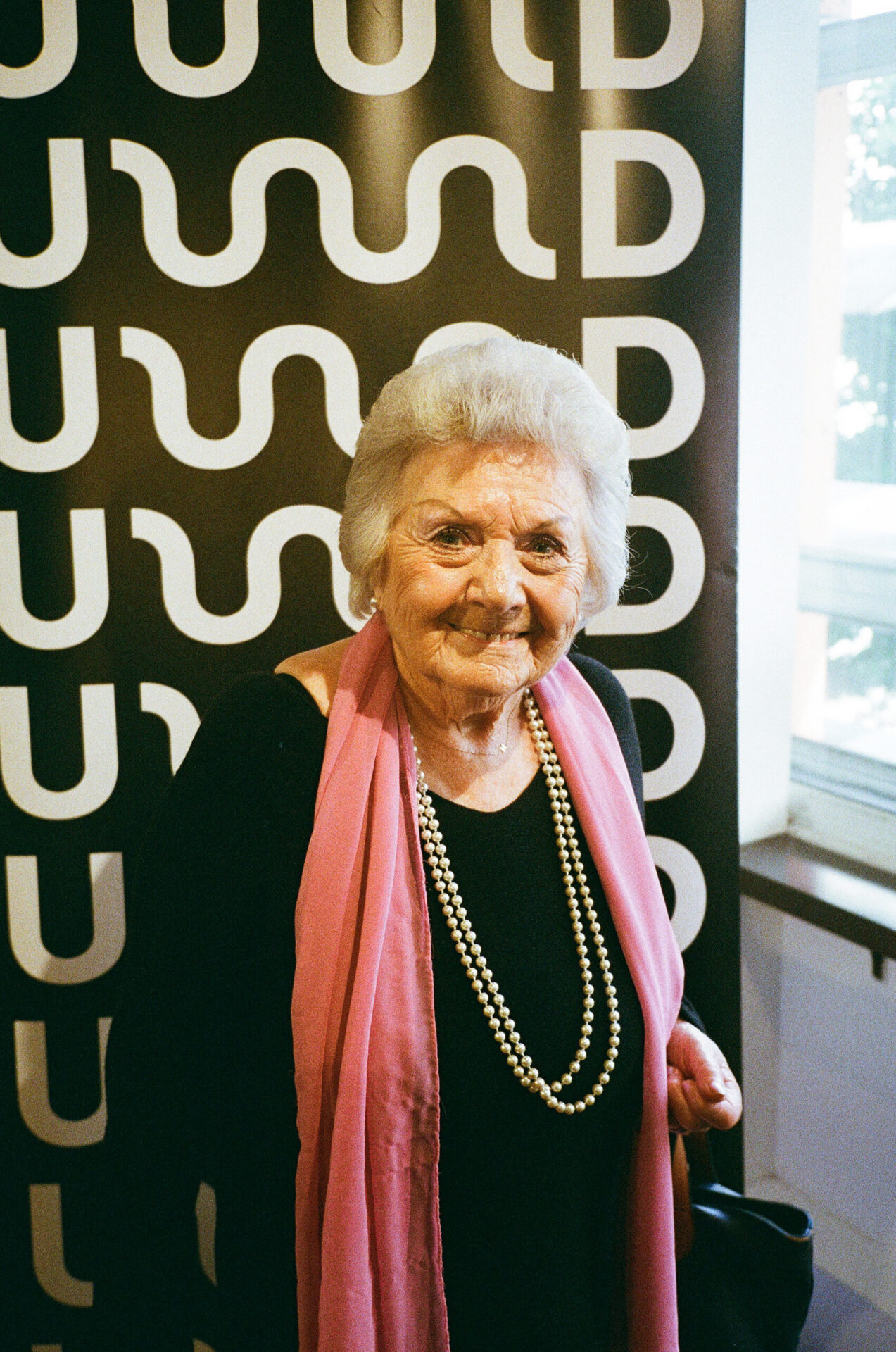
And what a family UD Music really is. Across four floors of Rich Mix, the Industry Takeover felt like a living archive of UK music culture: preserving histories, interrogating the present, and imagining what comes next. From chance Shazams in the offie to pirate radio tapes lovingly digitised decades later, the day repeatedly returned to one enduring truth: music culture has always been built in community.
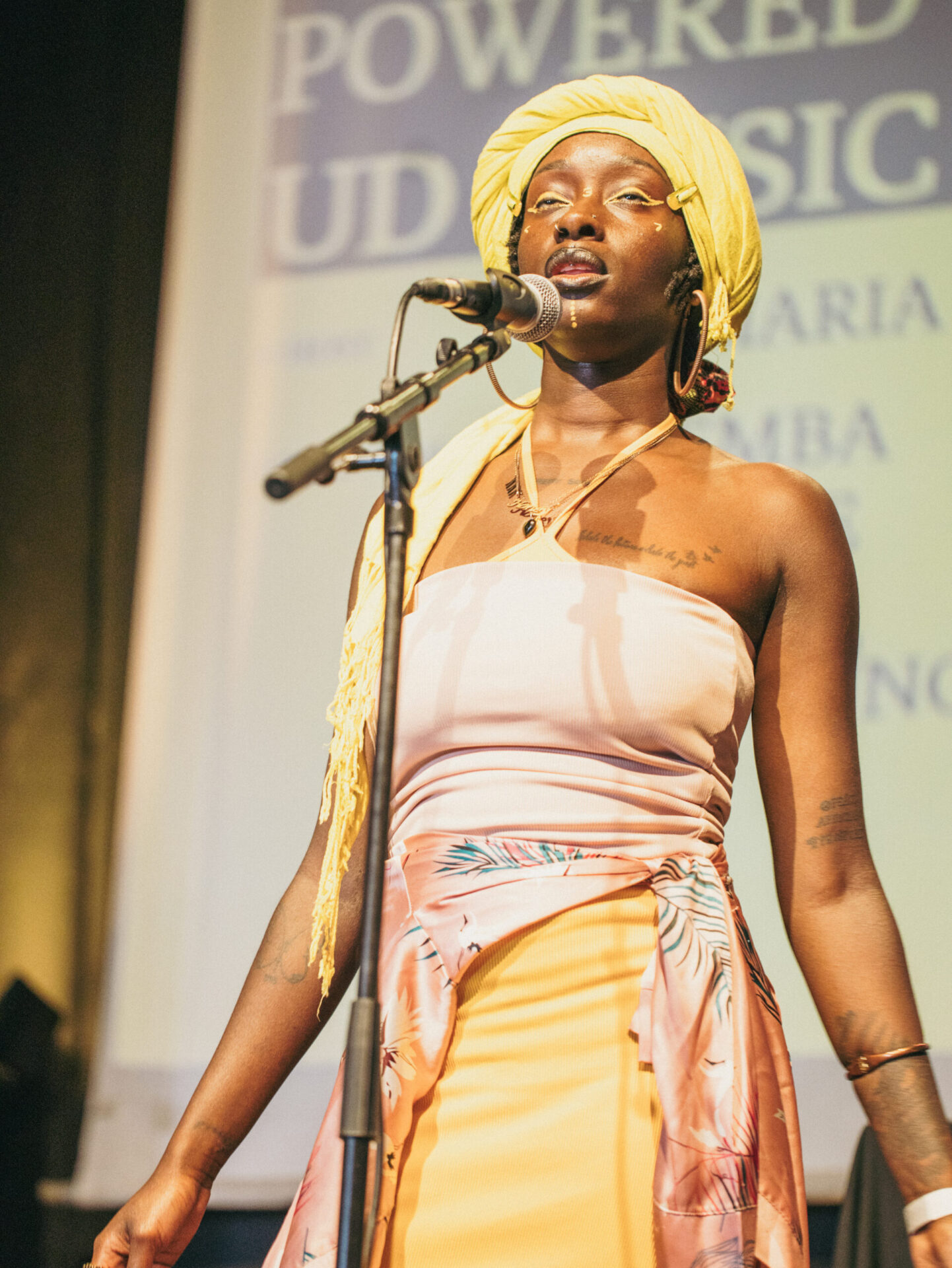
In a landscape increasingly shaped by algorithms and infinite scrolls, perhaps the answer remains deceptively simple. Just go outside.
Words: Elsa Monteith
Photography: Condry Calvin Milo
Additional photography: Garms + Sets